artist & scientist
Trained in computational neuroethology, I draw from my research in neuroscience and marine biology, across both laboratory and fieldwork. I translate experimental methods and close observation into painting, video, and data-based visual installations.
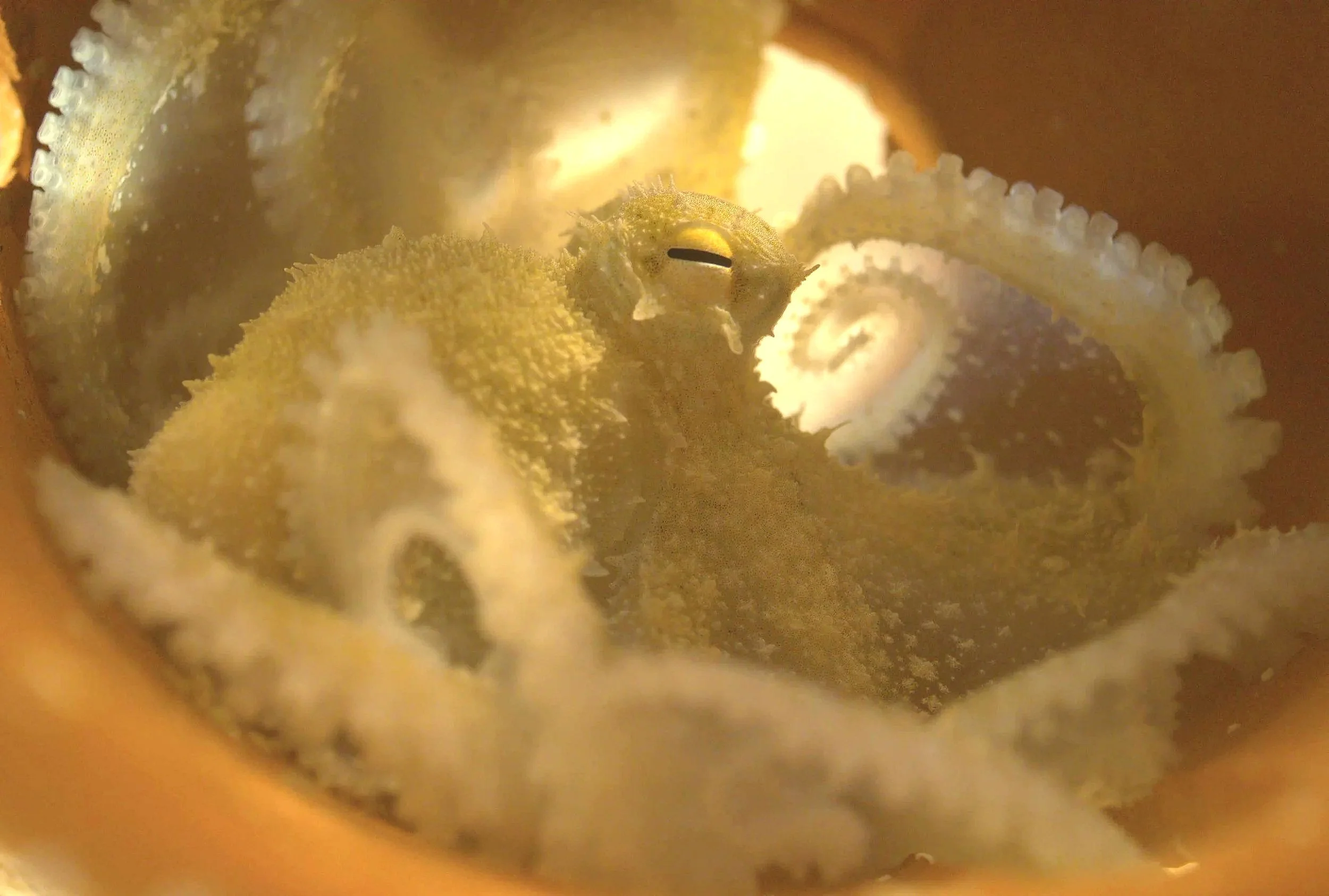
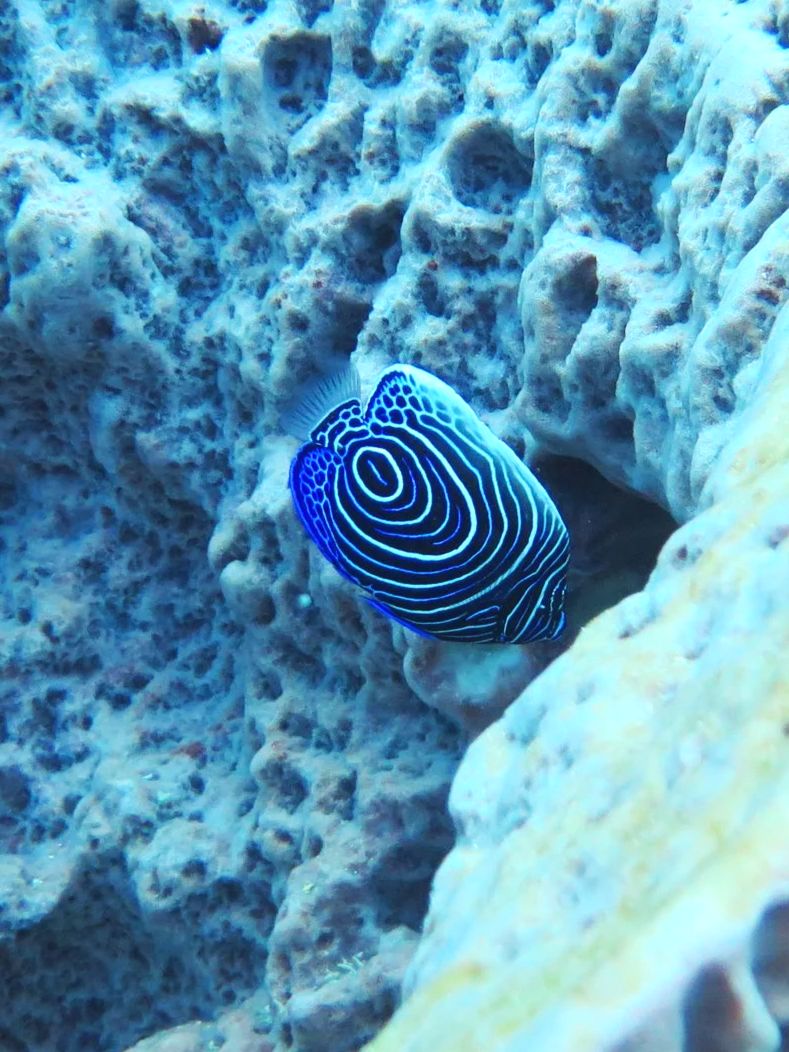
Why animals?
Animals were among the first subjects humans ever painted—etched into cave walls across continents and centuries. We return to them, drawn by the tension of their being deeply familiar to us while remaining fundamentally other. They inhabit our mythology, our language, and our earliest attempts to understand the world. Modern science has widened that relationship: revealing animals we never knew existed and offering glimpses into how they sense their world. Yet it has also created distance, categorizing us as separate, as if the continuum between humans and other species could be neatly severed.
My work explores the sensory lives—the umwelten—of underwater animals. I use a distinctly human, unapologetically anthropomorphic lens to enter their worlds. As a former neuroscientist studying animal behaviour, I spent years trying to understand how octopuses perceive, sleep, and make decisions. But even the most rigorous scientific methods cannot fully dissolve the human presence embedded in observation. Art allows me to lean into that presence, rather than strip it away.
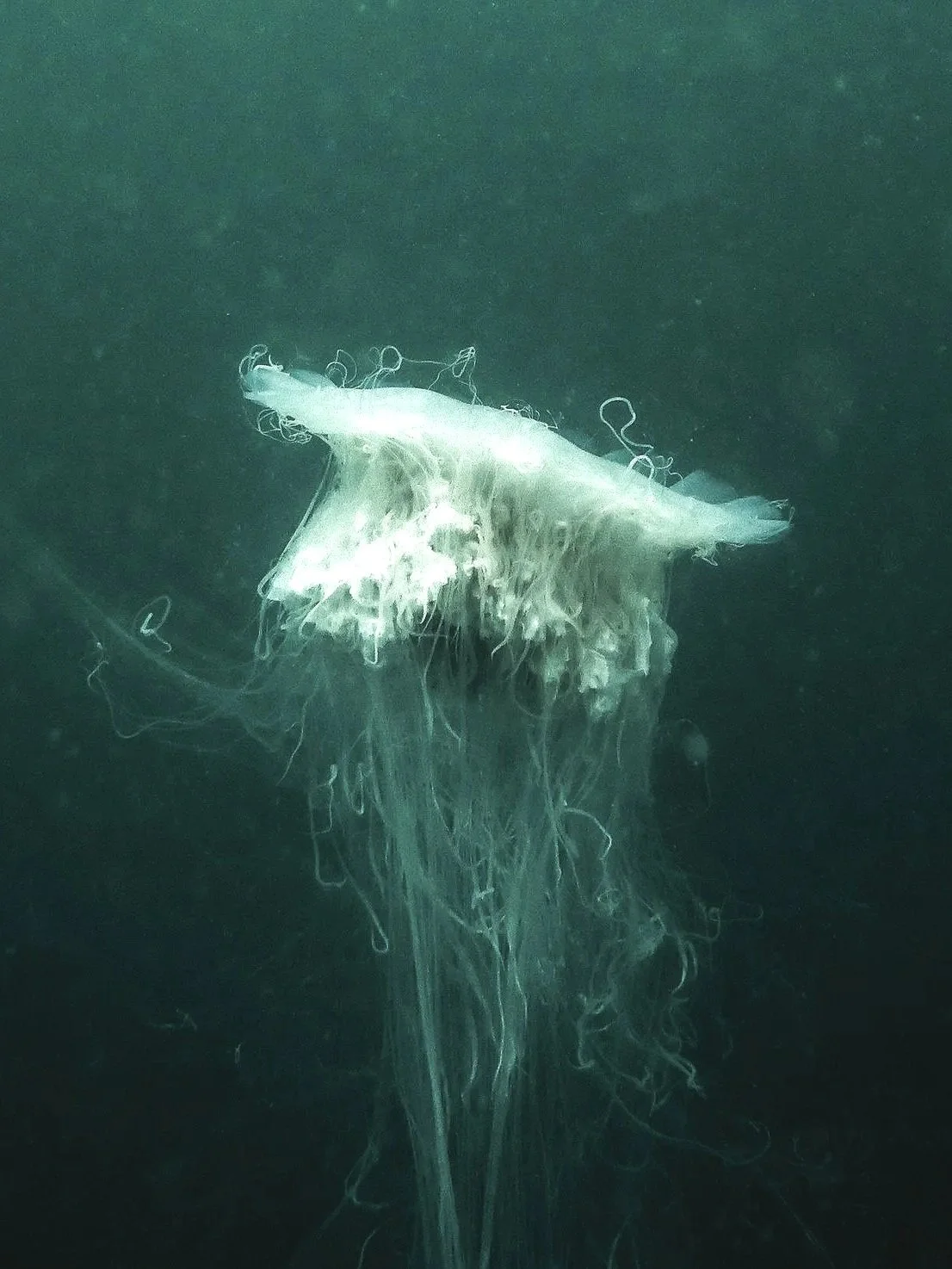
Why underwater animals?
Underwater environments suspend us in the unfamiliar. Light softens, sound behaves strangely, and movement becomes slow and dreamlike. The ocean presses in but also holds you up. It is a world that does not belong to us, and yet it briefly accepts us under strict conditions: limited air, limited time, limited control. To enter this environment is to experience a temporary shift in consciousness. I want to explore how far we can stretch our understanding of another creature’s sensory world by entering a place that is radically unlike our own. That is the experiment: to immerse ourselves in an alien landscape and see what our human imagination—our anthropomorphic instinct—can reveal about other minds navigating it.
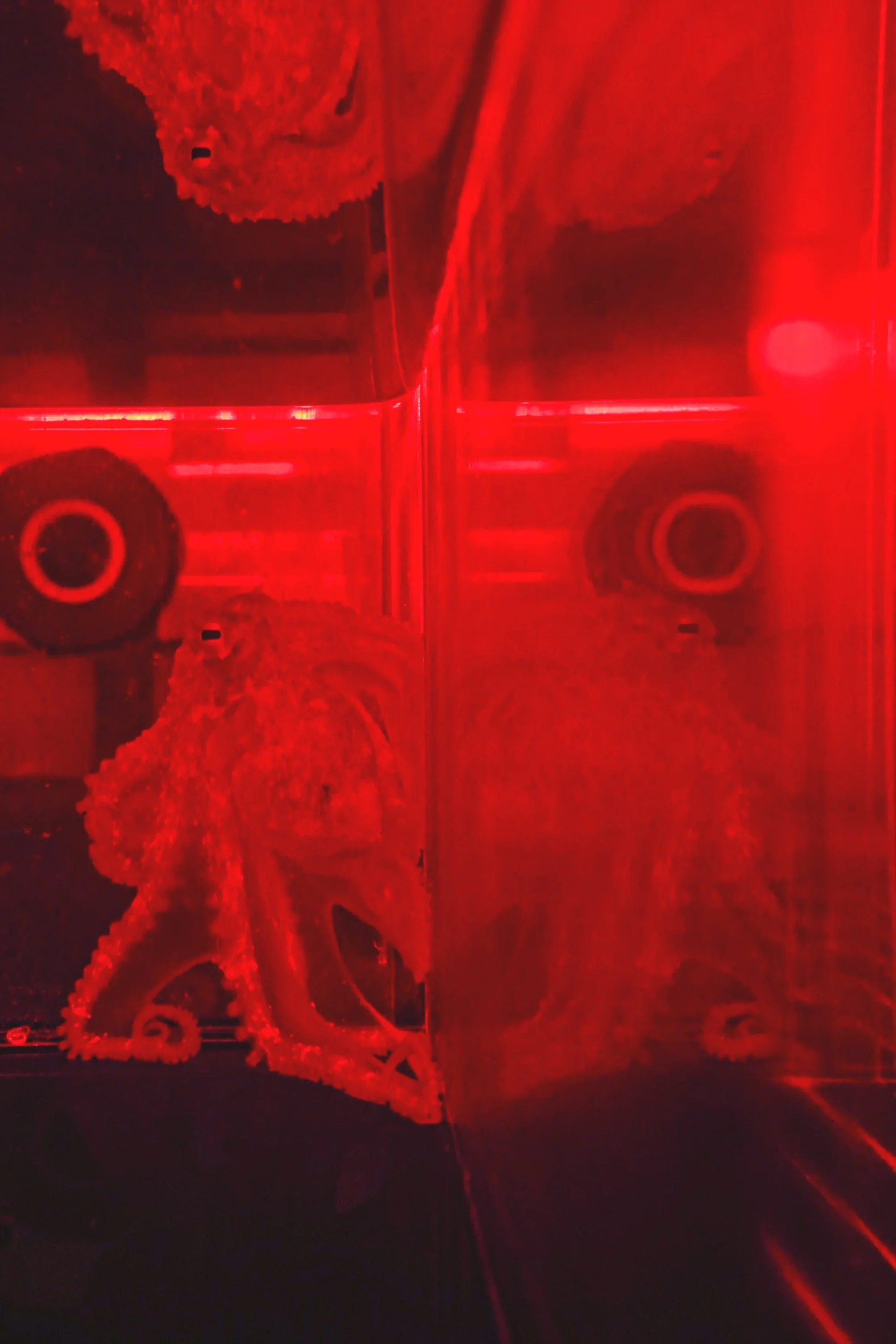
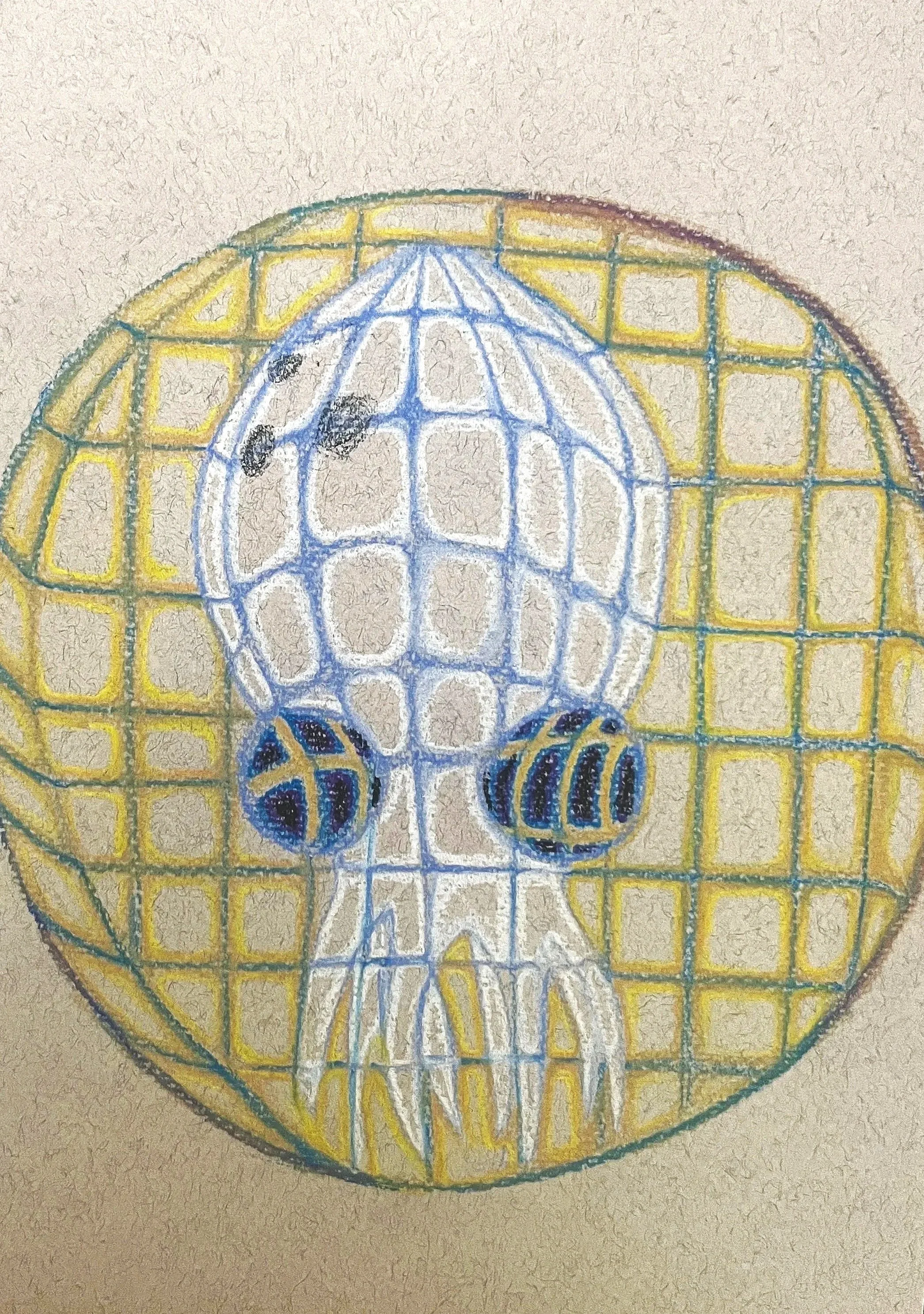
Why art and not science?
Both science and art have shaped the way I understand animals. Science taught me how to design experiments, analyse behaviour, and search for patterns. But science also tends to focus on the average, the controllable, the measurable—leaving out the variability and subjectivity that make each animal, and each encounter, unique. Art gives me the freedom to explore those dimensions: the interpretive, the intuitive, the emotional. After a decade in research, this feels like a natural continuation of my inquiry rather than a departure from it.
In many ways, my practice echoes an impulse that is tens of thousands of years old: to depict the ingenuity and diversity of biology as we encounter it. Science and art have long intertwined in this space; both would readily claim Ernst Haeckel as their own. Each relies on meticulous observation, immersion, and curiosity. But art allows for what science must set aside: subjectivity, speculation, and emotional truth.
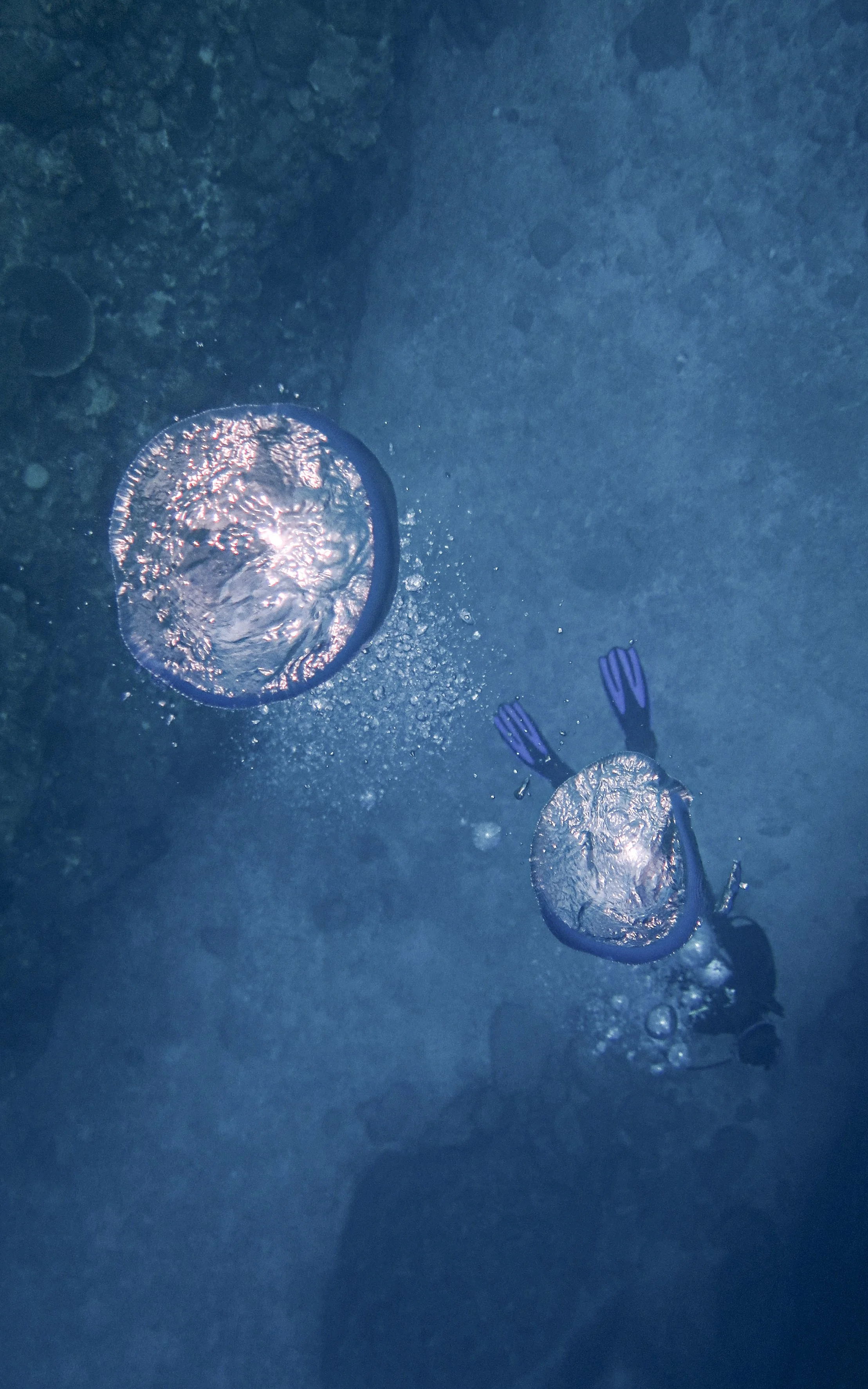
What I want viewers to experience
I want my work to evoke wonder—the feeling of being somewhere alien yet strangely familiar. To sense the shifting quality of underwater light and sound. To feel small, porous, and temporarily rewired by a place that is not built for us. I hope viewers find a piece of themselves reflected in these creatures whose experiences we can barely imagine.
I want the viewer to feel suspended, neutrally buoyant, held up under invisible pressure. If I can evoke even a flicker of internal uplift—the sensation of floating while being compressed by two atmospheres of pressure—then the work has done its job.
about
I am an emerging artist whose work explores the sensory worlds of underwater animals through a unique blend of scientific insight and human imagination. Before transitioning into art, I completed my PhD at the Okinawa Institute of Science and Technology (2019–2024), specializing in computational neuroethology. My research led to the discovery of REM-like sleep in octopuses, published in Nature (2023), and included extensive work with computer vision analysis, behavioural experiments, and neural recordings.
My scientific background deeply informs my artistic practice. I spent years observing octopuses and other animals up close—studying their perception, cognition, and movement through both structured experiments and field-based encounters. My research experiences span octopus intelligence studies in Japan, coral reef ecology in the remote Lakshadweeep and Andaman islands in India, chimpanzee behaviour in the field in Tanzania, and neuroimaging at Johns Hopkins Children’s Center.
My artwork draws from this history of careful observation, translating scientific knowledge into visual storytelling. Through photos taken during my dives and my own embodied experience underwater, I construct immersive images that explore how animals might sense, navigate, and understand their world.
My scientific work has been presented internationally at the Neuroscience of Sleep Conference (2025), the Japan Neuroscience Society (2022), the Artificial Intelligence and Brain Science Conference (2020), and elsewhere. My transition from science to art reflects a shift toward methods that embrace subjectivity, anthropomorphism, and imaginative interpretation—elements essential for approaching the consciousness of nonhuman animals.
Education
PhD, Okinawa Institute of Science and Technology, Japan (2019–2024)
Scholar, Center of Excellence, Alfred Wegener Institute, Germany (2018- 2019)
MSc. Ecology and Conservation, National Centre for Biological Sciences, India (2014- 2016)
BA in Neuroscience, Johns Hopkins University, USA (2008–2012)
Exhibitions, Collections, Media
I am currently in the early stages of sharing my artwork publicly and building a body of work for exhibition. My scientific work has been widely covered, and I bring that same spirit of inquiry and discovery into my artistic practice.
What’s next
I am developing a new series centred on the umwelt of marine animals, integrating my scientific background with a growing visual language. I am preparing my first exhibitions and exploring opportunities for residencies, open calls, and collaborations that merge art and animal behaviour research.
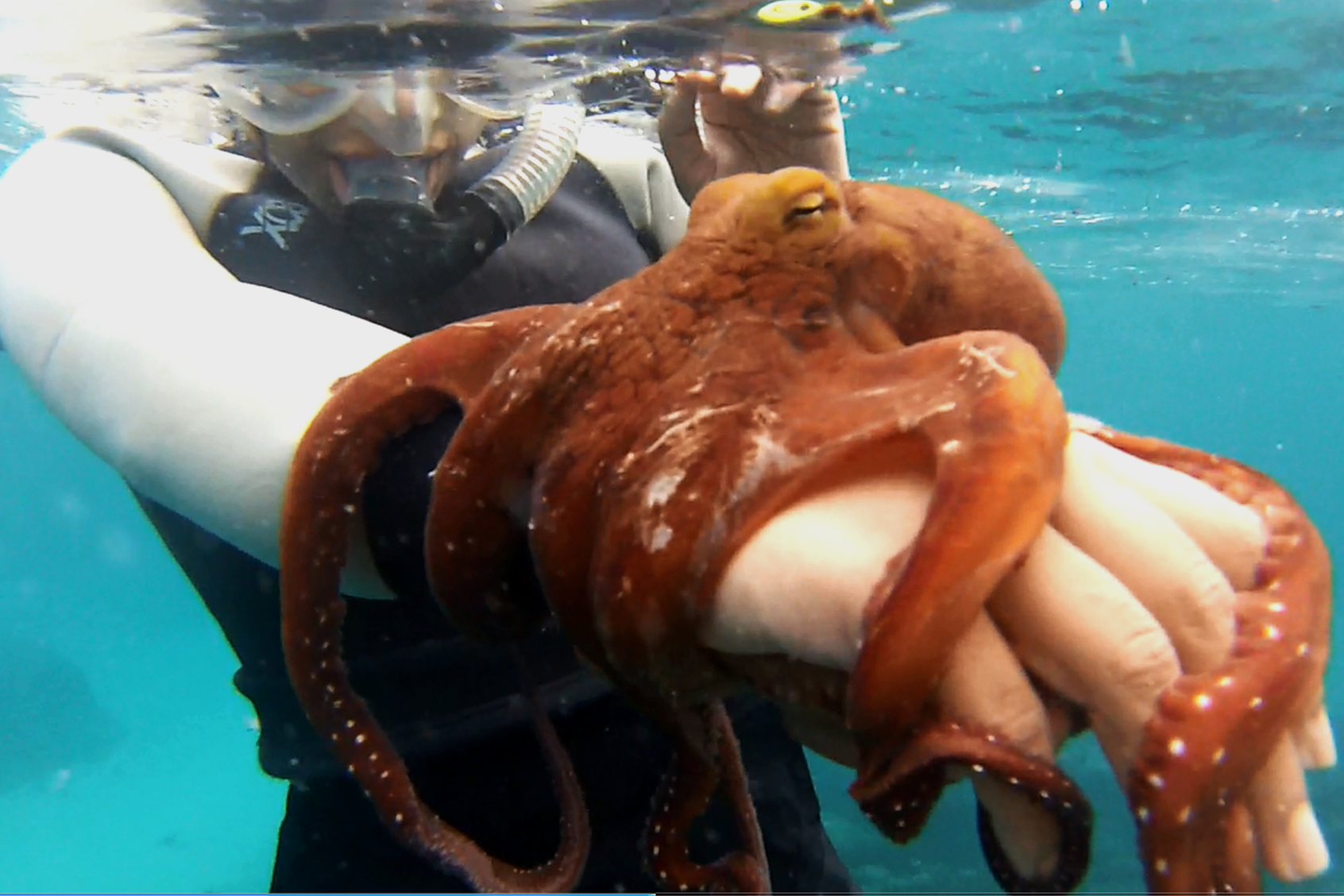
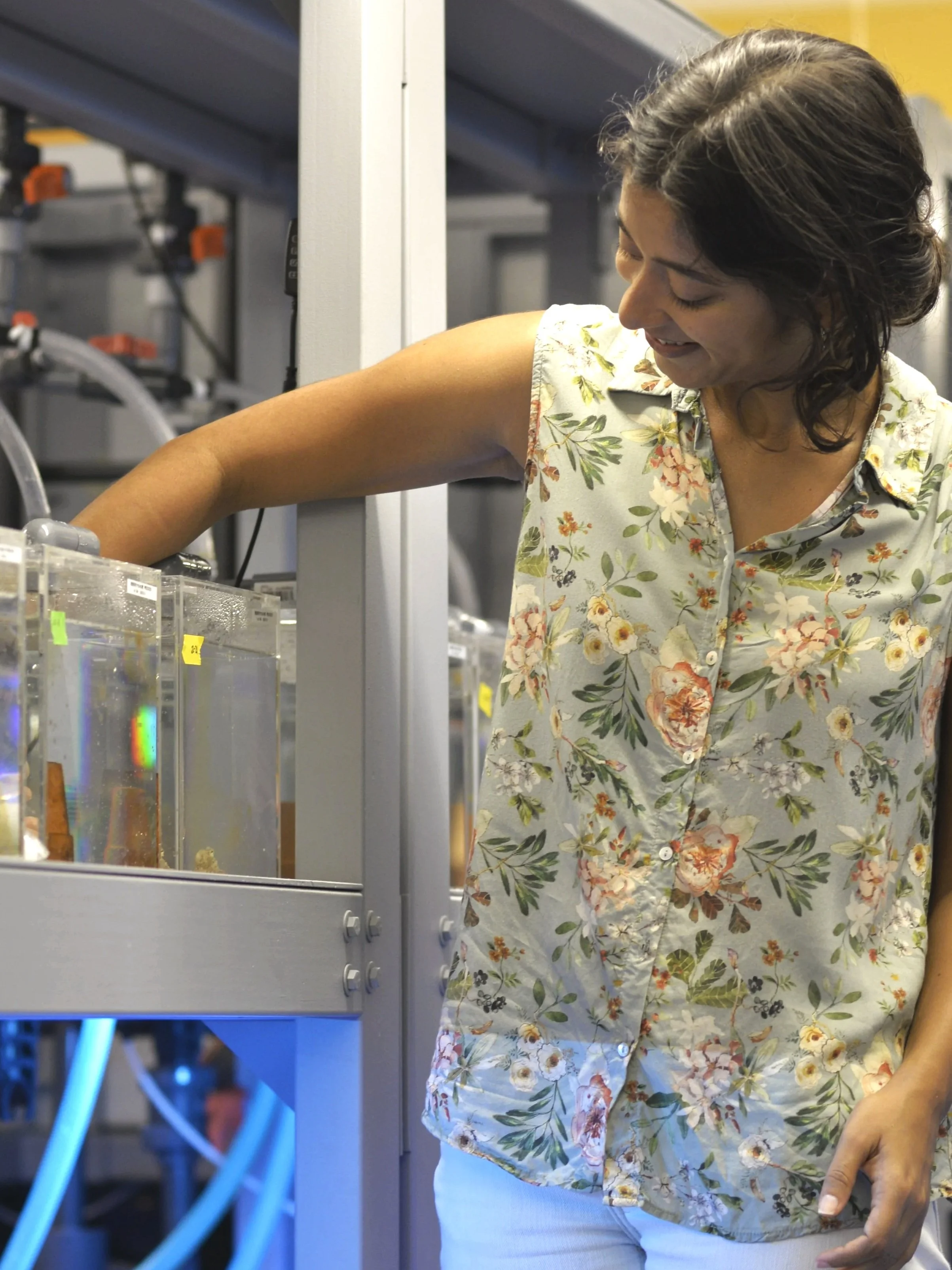
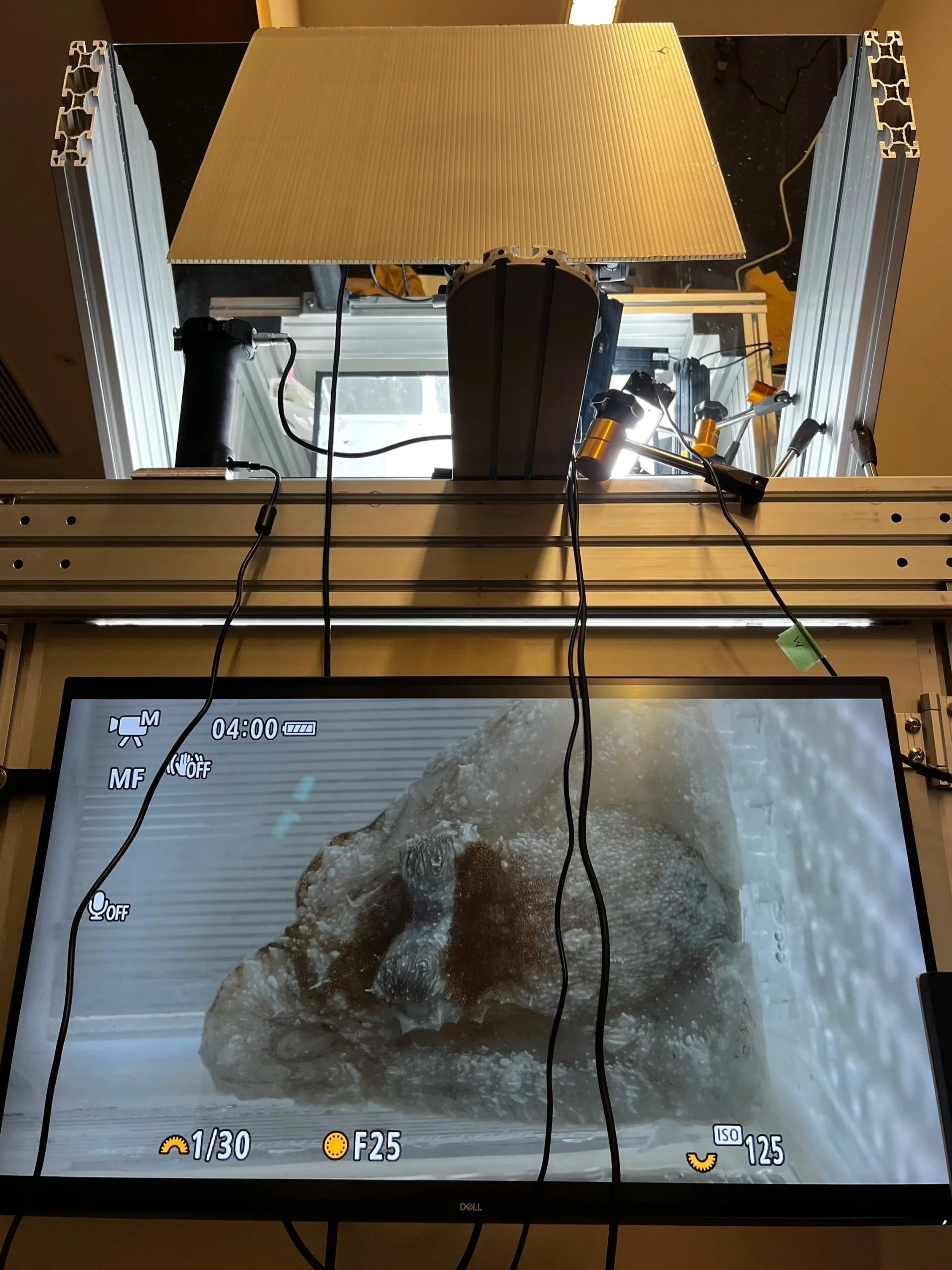
octopus sleep project
Here are some ways to find out more about my PhD work with octopuses. The journal made a video, but if you like, you could read the full paper here. Below are the supplementary videos from the paper to pique your curiosity.
I also gave a 5 minute “lightning talk” for the Seattle Aquarium (starts at 26:52) if you want to hear me explain not only what we did but why.
Or get in touch if you would like to read the actual thesis. I spent a lot of time writing it and hope that somebody would be interested!